

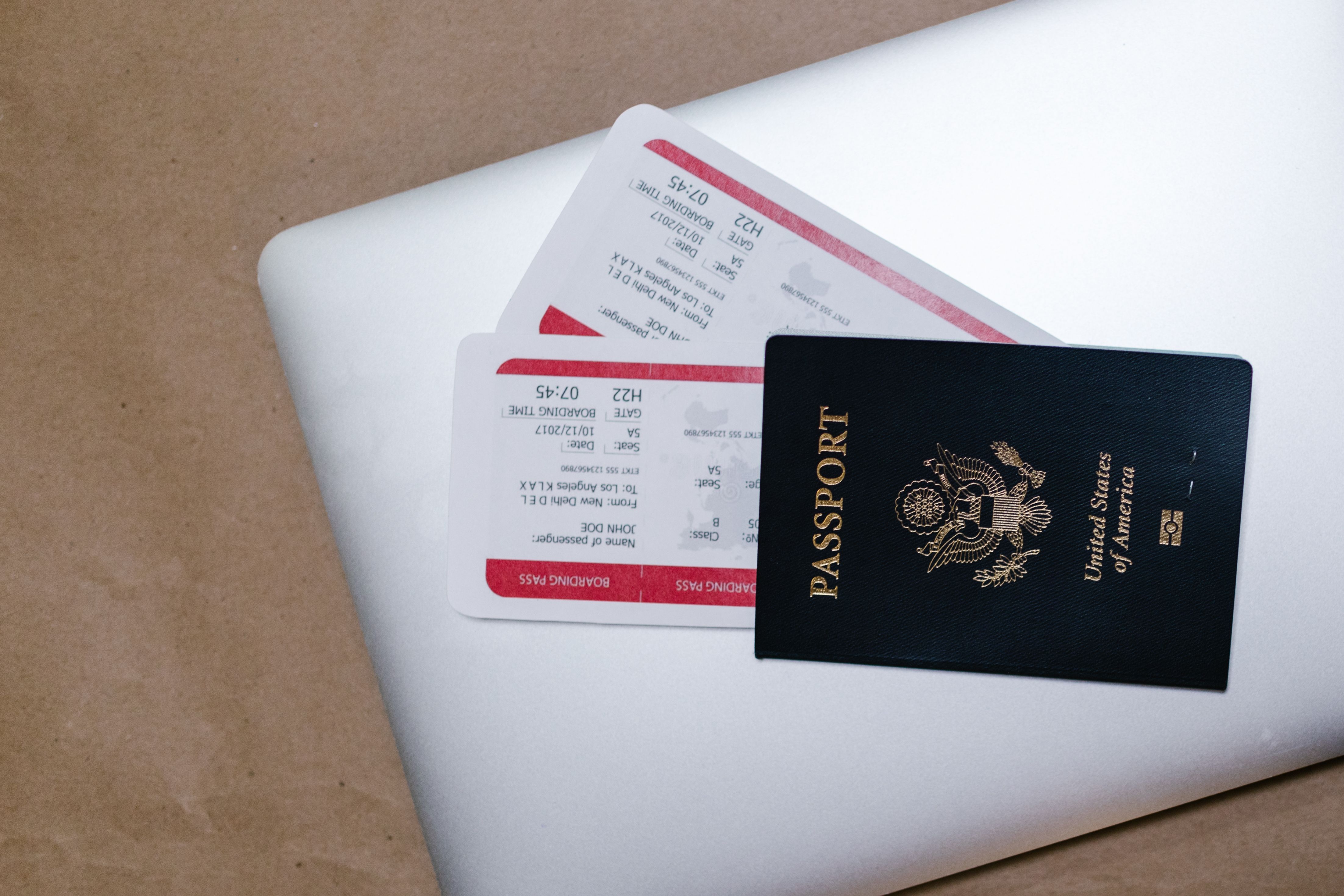
Do I Need a Visa to Enter Korea?
Before booking your trip to Korea, one of the first things you should check is whether you need a visa.
The answer is not the same for every traveler. It depends mainly on:
The passport you will use
Your nationality
The purpose of your visit
How long you plan to stay
Whether you qualify for visa-free entry
Whether K-ETA applies to you
A short holiday, a business visit, and a longer medical stay may all involve different entry requirements.
Start with the passport you will use
Korean entry requirements are generally based on the passport you use to enter the country.
Your country of residence does not necessarily determine your visa requirements.
For example, if you live in the United States but hold a passport from another country, Korea will normally apply the entry rules associated with that passport.
Before doing anything else, make sure you know:
Which passport you will travel with
Your passport expiration date
Whether the passport is damaged
Whether the name matches your flight reservation
There are three common entry situations
Most short-term visitors generally fall into one of the following situations.
1. Visa-free entry
Citizens of certain countries or regions may enter Korea without applying for a traditional visa for eligible short stays.
However, visa-free entry does not automatically mean there is nothing else to prepare.
Depending on current requirements, you may still need to check K-ETA or Korea's electronic arrival declaration.
2. Visa-free entry with K-ETA
Some travelers who are eligible for visa-free entry may normally need a Korea Electronic Travel Authorization, commonly called K-ETA.
Temporary exemptions may apply to certain nationalities, so always check the latest rules before departure.
3. Visa required
Travelers who are not eligible for visa-free entry generally need an appropriate Korean visa before traveling.
The visa category depends on factors such as your reason for visiting and your intended length of stay.
Your travel purpose matters
Immigration requirements can differ depending on why you are visiting Korea.
Common purposes include:
Tourism
Transit
Business
Medical tourism
Meetings or conferences
Study
Employment
Visiting family or friends
If your visit includes a clinic consultation or treatment, that does not automatically mean you need a medical visa.
A traveler visiting Korea briefly for tourism and attending a clinic appointment may have different requirements from someone entering specifically for extended medical treatment.
Always describe your real purpose of travel accurately.
The length of your stay matters too
Before checking your entry requirements, know how long you intend to remain in Korea.
Prepare:
Expected arrival date
Expected departure date
Total number of days in Korea
Any treatment or recovery period
Any follow-up appointment that could extend your stay
Long-term stays generally involve different immigration rules from short visits.
Visa-free does not mean preparation-free
Even if you do not need a traditional visa, you may still need several pieces of information before arrival.
Keep the following ready:
Valid passport
K-ETA, if applicable
e-Arrival Card, if required
Accommodation address in Korea
Return or onward flight details
Purpose of visit
Clinic information, if relevant
Check before making non-refundable bookings
It is safer to verify your immigration requirements before purchasing expensive non-refundable flights, accommodation, or treatment packages.
Before finalizing your trip, check:
Passport
Is it valid?
Does the name match your ticket?
Will you use the same passport throughout your trip?
Entry status
Do you need a visa?
Are you visa-free?
Do you need K-ETA?
Are you temporarily exempt from K-ETA?
Arrival preparation
Do you need an e-Arrival Card?
Do you know your accommodation address?
Do you have your return or onward itinerary?
Where should you check?
Immigration rules can change.
Use official Korean government resources whenever possible, including:
Korea Visa Portal
Official K-ETA website
Korea Immigration Service
Korean embassy or consulate responsible for your location
Avoid relying only on old blog posts, travel forums, social media posts, or screenshots.
Information that was correct during your previous Korea trip may no longer apply.
Before you travel
Make sure you have:
✓ Passport
✓ Visa, if required
✓ K-ETA, if applicable
✓ e-Arrival Card, if required
✓ Accommodation details
✓ Return or onward flight information
✓ Clinic information, if relevant
Important
Visa and entry requirements depend on nationality, purpose of stay, length of stay, and individual circumstances.
Final visa eligibility and permission to enter Korea are determined by the relevant Korean authorities.