

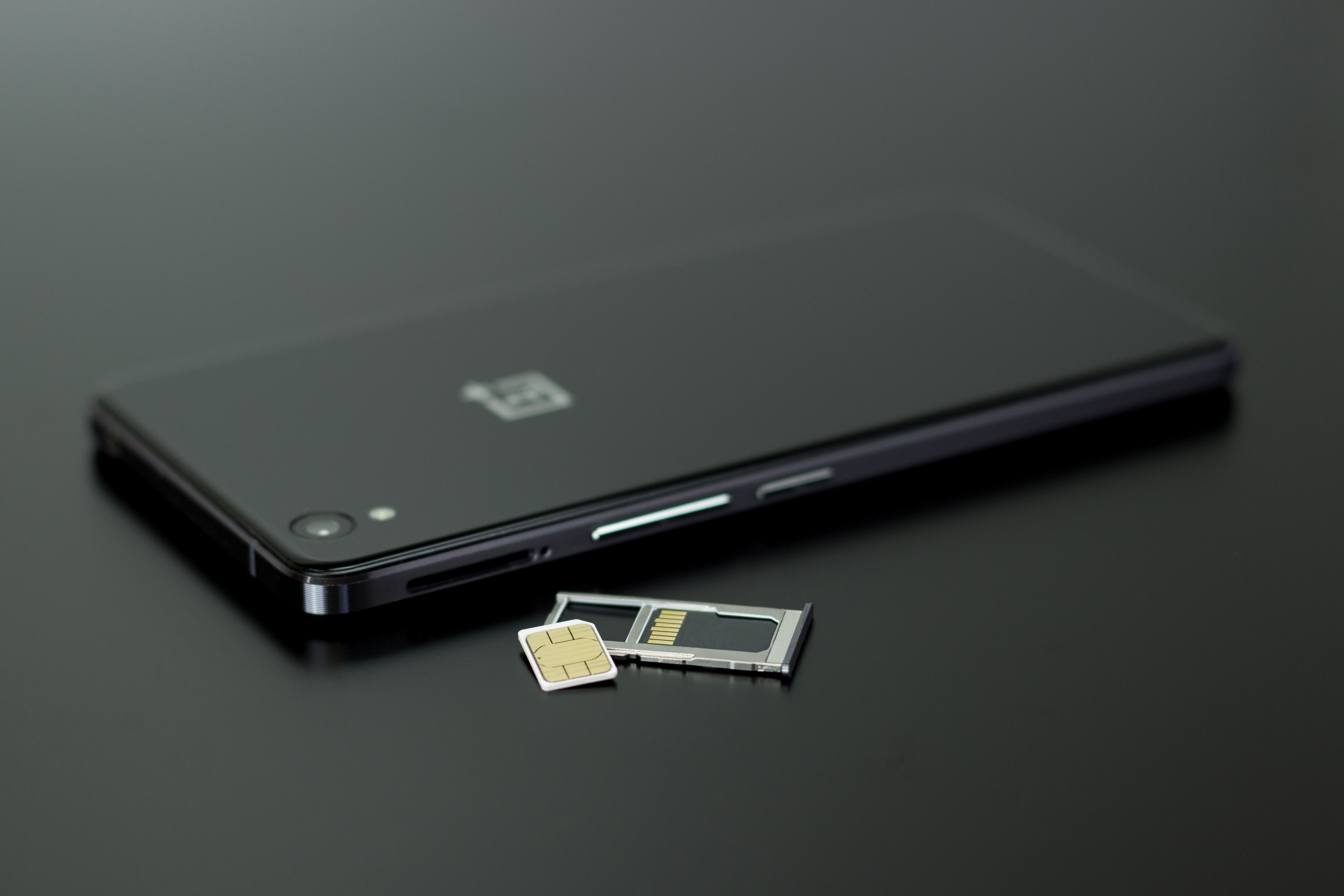
Having mobile data in Korea is not just convenient.
It can help you with:
Navigation
Taxi booking
Translation
Clinic communication
Hotel contact
Public transportation
Emergency information
For most visitors, getting connected soon after arrival is worth planning in advance.
Option 1 — eSIM
An eSIM is a digital SIM that can be activated without inserting a physical card.
It can be especially convenient because you may be able to install it before departure.
Best for
Compatible smartphones
Travelers who want immediate data
Short trips
People who want to keep their physical SIM installed
Advantages
No physical card
Can prepare before travel
Fast activation
Easy to keep your existing SIM
Check whether your phone supports eSIM
Not every device supports it.
Also check whether your phone is:
Carrier unlocked
A locked phone may not accept another provider's SIM or eSIM.
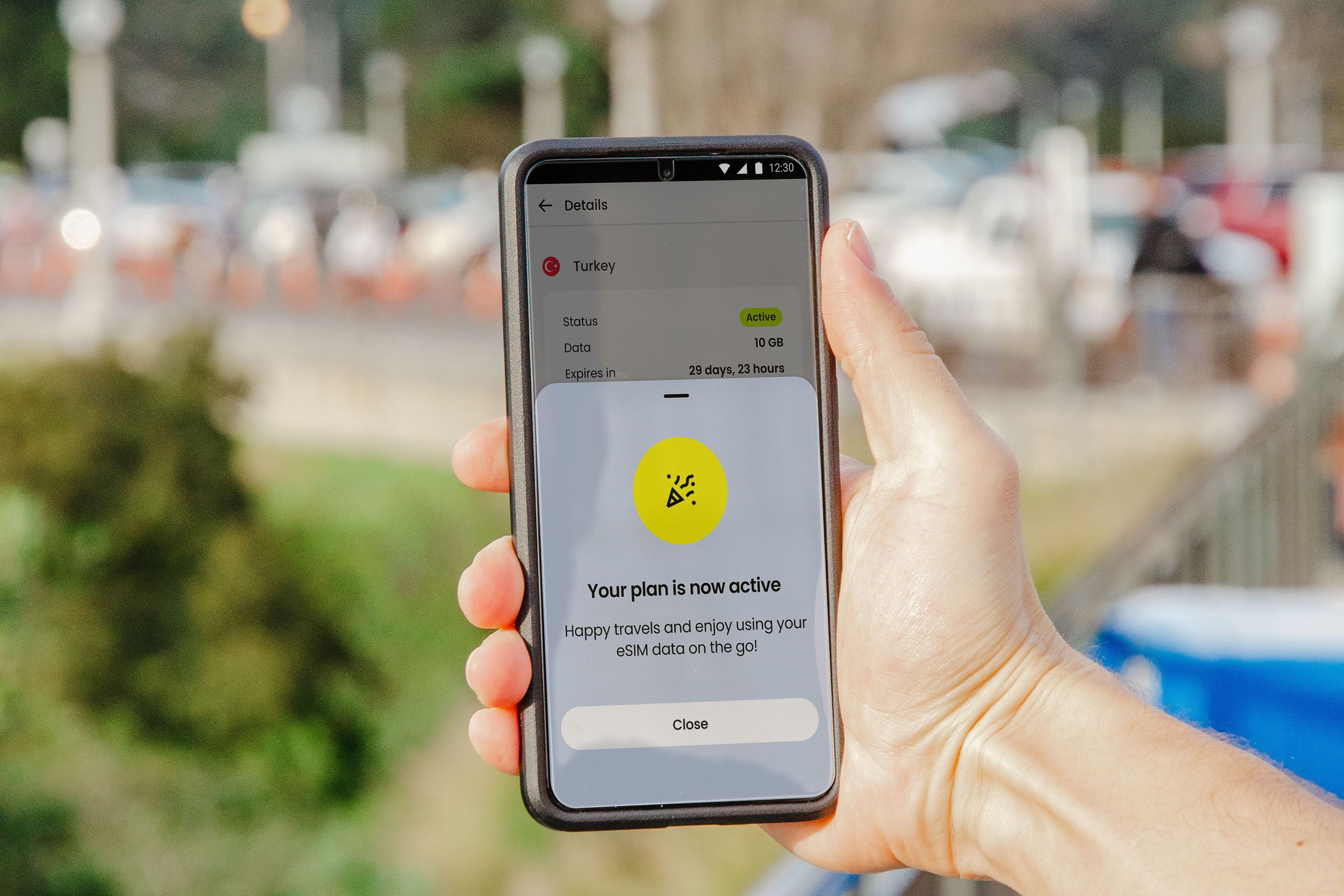
eSIM
Scan / Install
→ Activate
→ Mobile data
Option 2 — Physical SIM card
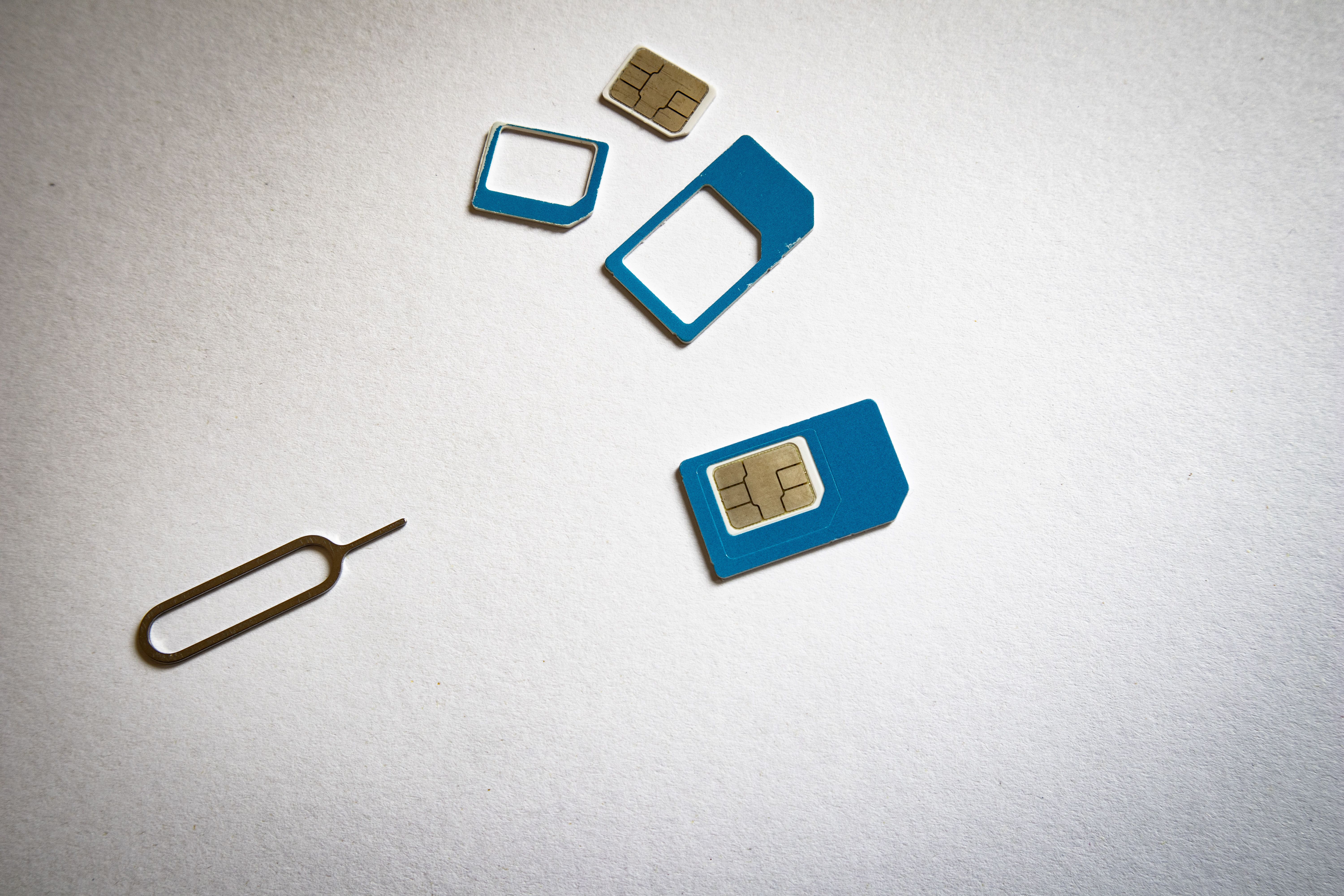
A physical tourist SIM can be a good choice if:
Your phone does not support eSIM
You prefer a traditional SIM
You need a Korean phone number
Your chosen plan includes calls or SMS
SIM cards may be available at airports and other locations.
Do I need a Korean phone number?
This depends on your trip.
A Korean phone number can be useful for:
Some reservations
Clinic communication
Delivery
Local phone calls
However, simply having a Korean number does not necessarily mean you can complete every Korean identity verification process.
Some local services require stronger verification linked to Korean residency or identity systems.
Option 3 — Pocket Wi-Fi
Pocket Wi-Fi is a portable device that creates a personal Wi-Fi hotspot.

Best for
Families
Groups
Multiple devices
Laptops and tablets
Advantages
Several people can share one connection.
Disadvantages
You need to:
Carry another device
Keep it charged
Return it if rented
Stay near the device
Which should I choose?
Solo traveler
eSIM is often the simplest if your phone supports it.
Need a Korean phone number
Consider a SIM plan that includes a number.
Family or group
Pocket Wi-Fi may be cost-effective.
Heavy phone user
Choose a plan with enough high-speed data.
Install before you need it
If using eSIM, consider installing it before departure while you still have reliable Wi-Fi.
Do not necessarily activate the travel plan too early if its validity starts upon activation.
Read the provider's activation instructions.
Keep your original SIM safe
If you replace your physical SIM, store the original carefully.
A lost home SIM can create problems when you return, especially if your number is used for banking or two-factor authentication.
For medical travelers
Reliable data is particularly useful for:
Clinic messages
Translation
Appointment changes
Finding pharmacies
Taxi requests
Remote follow-up
Do not depend entirely on public Wi-Fi if you need to stay reachable.
Connectivity checklist
✓ Phone unlocked
✓ eSIM compatibility checked
✓ Plan duration checked
✓ Data amount sufficient
✓ Korean number needed?
✓ Charger / power bank
✓ Clinic contact saved