

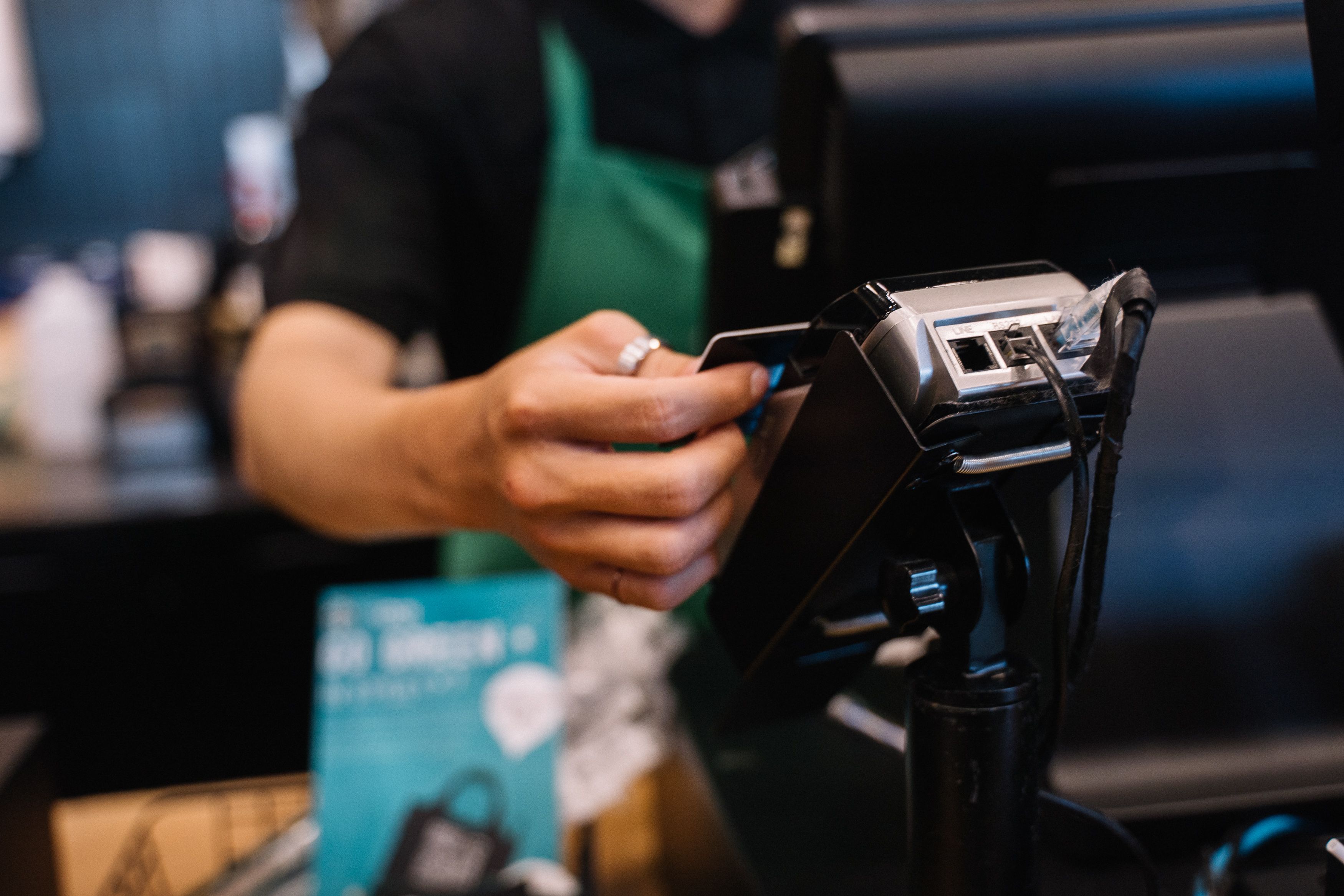
Korea is highly card-friendly.
In many places, you can pay for everyday purchases without carrying much cash.
However, foreign visitors can still experience problems when:
A foreign-issued card is declined
An online service requires a Korean payment method
A transportation card needs to be recharged
A small business prefers another payment method
Your bank blocks an overseas transaction
The easiest strategy is to travel with more than one payment option.
Cards are widely used
Credit and debit cards are commonly accepted at:
Hotels
Department stores
Restaurants
Cafes
Convenience stores
Clinics
Pharmacies
Shopping malls
For most visitors, cards can cover a large part of daily spending.
But not every foreign card works everywhere
A card may work perfectly at one store and fail at another.
Possible reasons include:
Card issuer security block
International transaction restriction
Payment terminal compatibility
Online payment requiring Korean authentication
Temporary network issue
For this reason, do not travel with only one card.
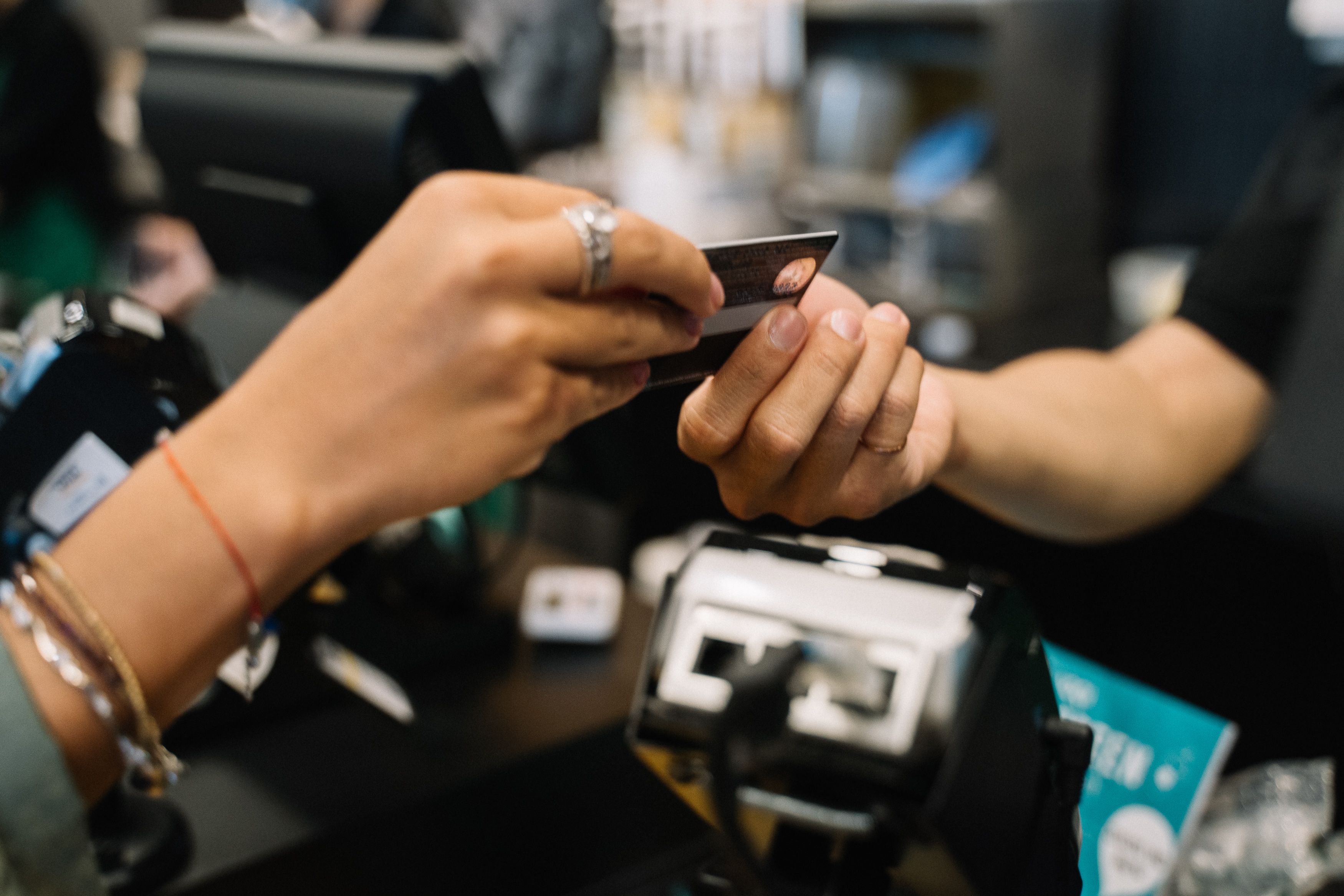
Bring at least two payment methods
A practical setup is:
Primary card
Your main international credit or debit card.
Backup card
Preferably issued by a different card network or bank.
Small amount of cash
Useful for situations where card payment is inconvenient.
This is more reliable than depending on a single payment method.
Contact your bank before travel if needed
Some banks automatically detect overseas transactions.
Others may block unusual spending.
Before departure, check:
Overseas transactions enabled
Daily spending limit
ATM withdrawal settings
International transaction fees
Emergency card contact number
Medical payments can be larger
If you are planning a significant clinic procedure, confirm payment methods in advance.
A clinic may accept:
International card
Korean card
Cash
Bank transfer
Other supported methods
Large transactions can trigger card security checks or spending limits.
Before your appointment, confirm:
Maximum card limit
Foreign transaction support
Whether split payment is possible
Whether a deposit is required
Do not rely entirely on mobile wallets
Your preferred mobile wallet may not work in every Korean shop.
Even if your phone supports contactless payment, acceptance can vary by merchant and card issuer.
Carry your physical card as backup.
Keep payment receipts
For larger purchases or medical expenses, keep:
Card receipt
Invoice
Clinic payment record
Pharmacy receipt
These may be useful later for:
Insurance
Personal records
Refunds
Follow-up questions
Payment checklist
✓ Primary card
✓ Backup card
✓ Overseas payments enabled
✓ Spending limit checked
✓ Small amount of cash
✓ Emergency bank number saved
✓ Clinic payment method confirmed