

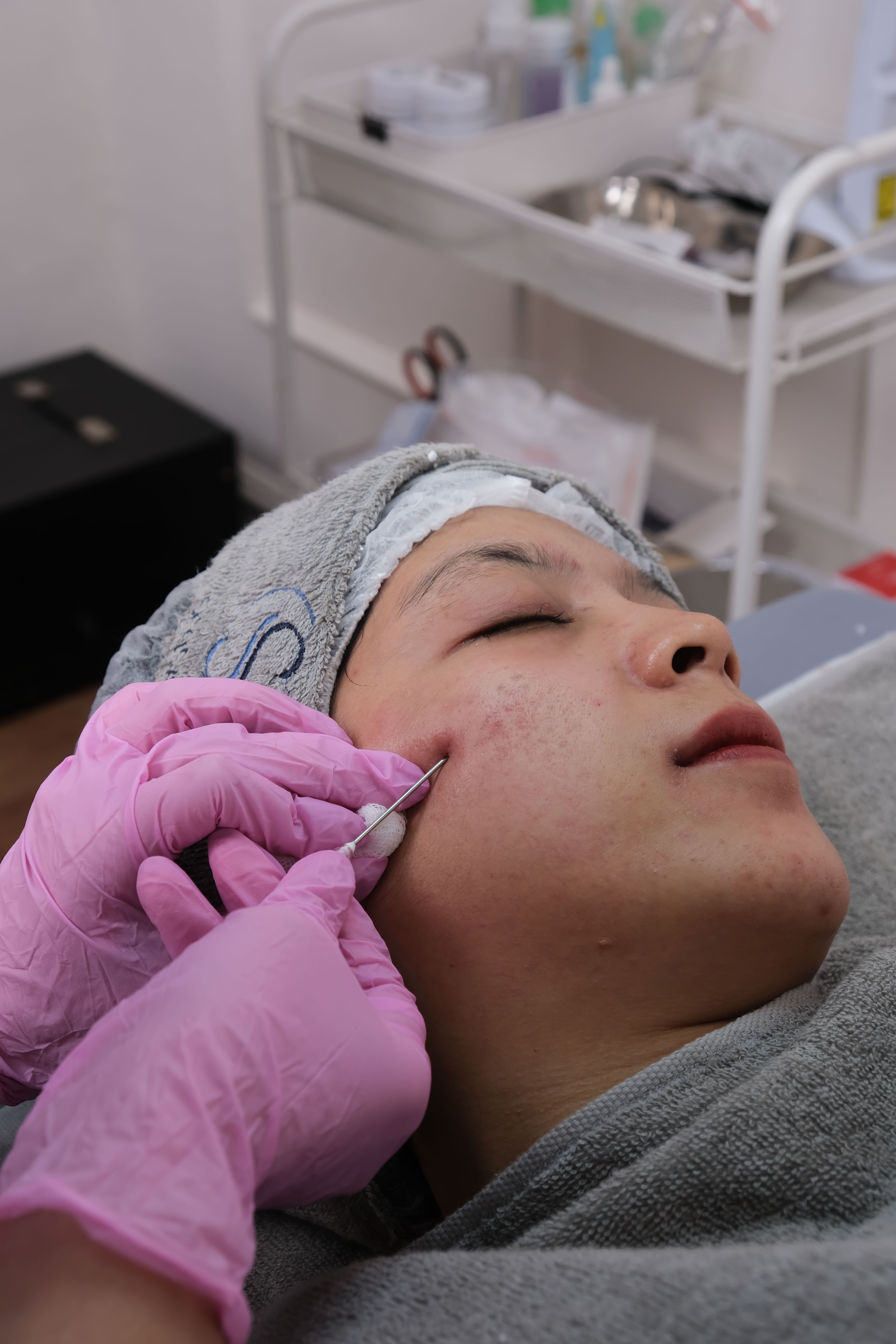
After a medical procedure, it is natural to wonder:
“Is this normal?”
Some treatments can cause temporary:
Swelling
Bruising
Mild discomfort
Redness
Fatigue
But what is expected after one procedure may not be normal after another.
That is why you should know your clinic's specific recovery instructions before leaving.
Ask what normal recovery should look like
Before treatment, ask your clinic:
What symptoms should I expect?
How long should they last?
When should symptoms begin improving?
What should I photograph or monitor?
When should I contact you?
Knowing this in advance is much better than trying to decide later based on internet searches.
Ask specifically about warning signs
Every procedure has different risks.
Ask your clinic:
“Which symptoms mean I should contact you immediately?”
Examples that may require urgent medical attention depending on the situation can include:
Severe or rapidly increasing pain
Heavy or uncontrolled bleeding
Difficulty breathing
Loss of consciousness
Severe allergic reaction
Very high fever
Sudden severe symptoms
This is not a complete medical list.
The warning signs relevant to you depend on your treatment.
RECOVERY CHECK
Expected
Follow clinic instructions
Monitor symptoms
Concerned
Contact your clinic
Severe / urgent
Seek emergency medical care
Do not wait only for a message reply in an emergency
If you experience a serious or rapidly worsening symptom, do not wait indefinitely for:
Email
Instagram message
KakaoTalk
WhatsApp
Overseas coordinator response
Seek appropriate local emergency medical care.
Your safety is more important than waiting for the original clinic to respond.
Take photos if your clinic asks you to
For some procedures, a clinic may ask for photos during follow-up.
If so:
Use good lighting
Take clear images
Follow the requested angle
Note when the photo was taken
Do not use photographs as a substitute for urgent medical assessment if your symptoms are severe.
Keep a simple recovery log
For longer recovery periods, you may find it helpful to note:
Date
Symptoms
Medication taken
Temperature, if instructed
Photos requested by clinic
Questions for follow-up
This can help you explain changes clearly.
Avoid comparing your recovery too closely with social media
Two people receiving a treatment with the same name may have:
Different treatment extent
Different medical histories
Different technique
Different medications
Different recovery speeds
Someone else's day-three photo is not a reliable medical standard for your own recovery.
Before leaving the clinic
Ask:
✓ What is normal?
✓ What is not normal?
✓ When should I contact you?
✓ What number should I call?
✓ What should I do at night or on weekends?
✓ When should I seek emergency care?
Important
This guide cannot determine whether a symptom is normal for your specific treatment.
If you are concerned, contact your treating clinic or an appropriate medical professional.
For severe or urgent symptoms, seek emergency medical care.